
The software industry has long been fascinated with the idea of the killer app—the one feature so compelling that it justifies an entire platform. Every era has its own theory about what creates enduring businesses, and today’s landscape is changing faster than ever. After more than twenty-five years building technology companies, I’ve come to believe that restraint may be the killer feature—not just for Sound Archive Books, but for any business hoping to remain relevant through changing technologies, shifting markets, and whatever comes next.
The last generation rewarded companies that could move faster, automate more, and scale endlessly. I have a feeling the next generation will reward something different: the judgment to know what technology should accelerate and what should remain unmistakably human.
My first two companies were built for scale. We wanted to democratize access to book publishing, make digital libraries easier to access, elevate the role of the public library in their own communities and make knowledge easier to discover. We “moved fast and broke things,” as the prevailing Silicon Valley wisdom encouraged entrepreneurs to do.
In many ways, it was the right philosophy for that moment in time. I’m incredibly proud of that work, and I wouldn’t change any of it. Sound Archive Books isn’t a departure from those experiences. It’s an adaptation to a changing landscape. One where software has become more capable than ever, making it possible to focus more intentionally on the human relationships, creativity, and stewardship that technology should support rather than replace.
Lessons from Rare Bird Farm
“I think having land and not ruining it is the most beautiful art that anybody could ever want.” -Andy Warhol
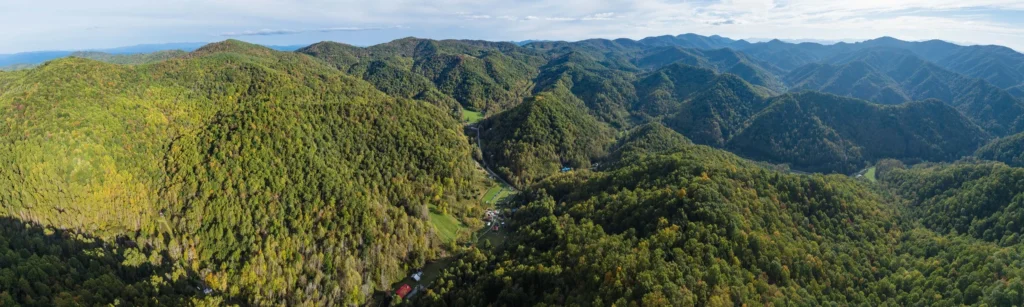
photo credit: Fiasco Media
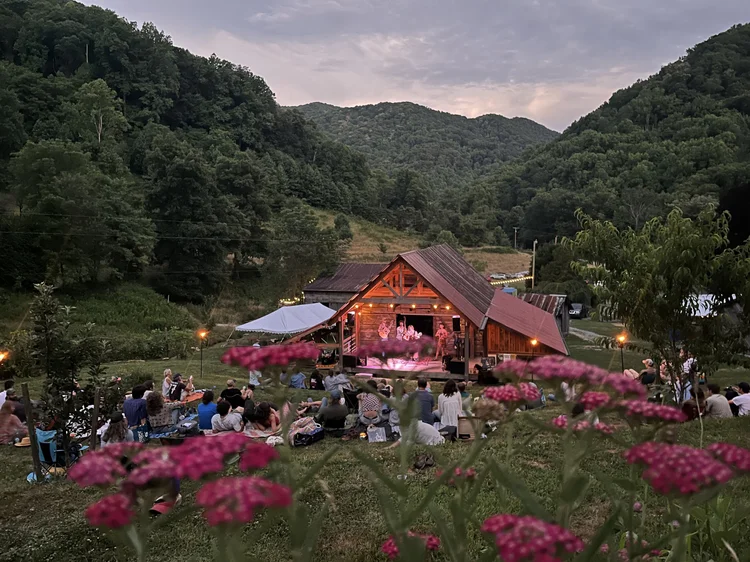
People often ask what Rare Bird Farm is, and I never have a particularly short or complete answer. It’s our home and a working farm & animal sanctuary. It’s home to Rare Bird Cultural Arts and all the amazingly creative and meaningful work being done by Farrah and Libby through that organization. It’s become a place where musicians, artists, neighbors, volunteers, and friends gather alongside people who travel from across the country to experience something they can’t quite find anywhere else. More than 40% of the nearly 400 attendees at our most recent Tiny Music Festival came from outside North Carolina. We never set out to build a destination. We simply tried to care for a place and create experiences that felt genuine. Over time, people decided it was worth the trip.
The most rewarding collaborations we’ve experienced at the farm weren’t orchestrated. We’ve never really had a master plan for what Rare Bird was supposed to become. We simply cared for the place, invited good people into it, and let the work evolve. That approach required patience, trust, and the belief that meaningful relationships would eventually find their way into meaningful projects. The team that has grown around Rare Bird has become one of its greatest accomplishments.
Caring for sixty-three acres of rugged mountain has taught me plenty about farming and maintaining land, but it started with something much simpler: bringing an abandoned place off the beaten path back to life. Restoring a place is one thing. Caring for it year after year is something else entirely, and it’s never the work of one person. It takes partners, friends, neighbors, and a community willing to invest their time, creativity, and care into something they believe is worth preserving.
Somewhere along the way, I stopped thinking of Rare Bird as simply the place where I lived and started thinking of it as the place that quietly reshaped how I wanted to work. The best things rarely respond to force. They respond to patience, attention, and the willingness to let them become what they’re meant to become.
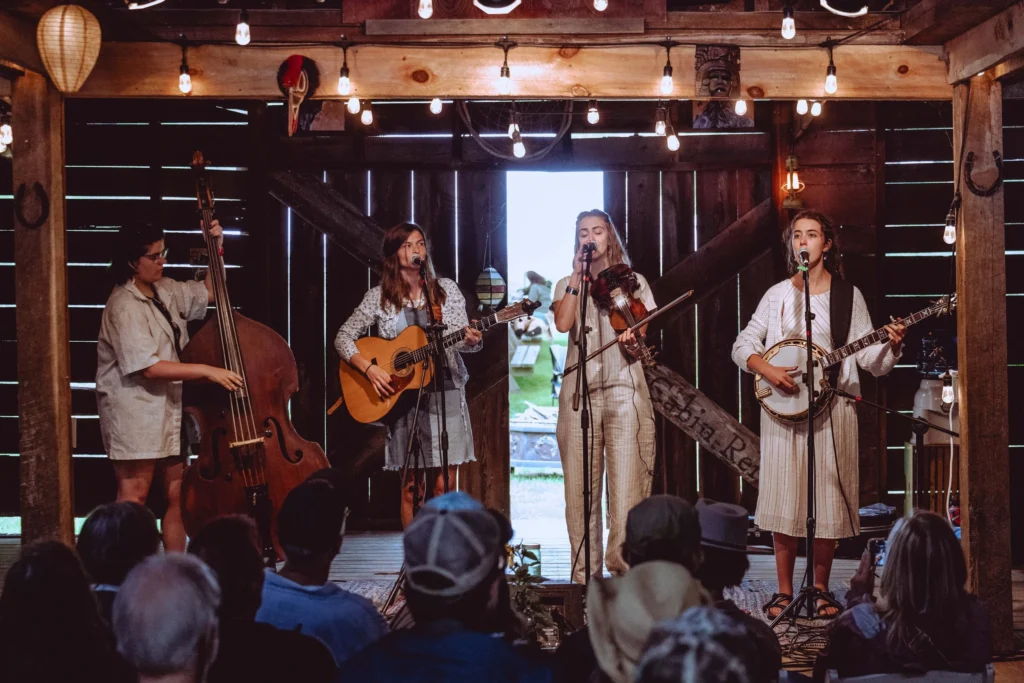
photo credit: Fiasco Media
I take my role as groundskeeper at Rare Bird just as seriously as I do my role serving on the board of our local volunteer fire department or building a publishing company. Some days I spend hours clearing briars from a fence line; other days I’m doing business development, creating prototypes, working through software designs, or reviewing production budgets. Both feel like meaningful work. More importantly, they’ve taught me the same lesson: restraint isn’t about moving slowly. It’s about creating enough space for good work—and good people—to surprise you.
Who You Build With Matters
One of the unexpected joys of this past year has been watching people find their own way into the work. Musicians, librarians, designers, technologists, photographers, artists and community historians have each brought a different perspective. None of it happened because we recruited toward an organizational chart.
At a time when every headline seems to predict that technology will replace people, I’ve found the opposite to be true. The more capable our tools become, the more valuable curiosity, judgment, empathy, and the ability to collaborate with people you trust become. Those have always been human strengths, and I suspect they always will be.
My co-founder, Kevin Reese, has become the perfect example of that. While I’ve spent more than twenty-five years working across books, publishing technology, libraries, and archives, Kevin has absorbed an extraordinary amount of that world in just over a year. More importantly, he approached it with fresh eyes and a genuine curiosity about why publishing works the way it does in the first place. His decade as a touring musician also grounded every conversation in the practical realities of making a living as an artist. He instinctively viewed every idea through the lens of the people we ultimately hope to serve, reminding us that great publishing isn’t just about making beautiful books—it’s about creating something that genuinely works for musicians and their audiences.
That combination of curiosity, relentless work ethic, thoughtful iteration, and practical common sense has shaped every part of the platform we’re building together. Experience is invaluable—but so is the willingness to question assumptions that everyone else has quietly accepted.
The publishing platform we’re using internally is much further along than I could have ever imagined it would be a year ago. More importantly, it’s beginning to feel less like software and more like a new kind of operating system for cultural preservation—bringing together archives, oral histories, editorial workflow, publishing, rights management, product development, commercialization and long-term stewardship in a way that could never have existed when I started my career.
The temptation is to point it at everything
We’re not going to do that. The platform will only matter if it helps artists and communities tell better stories. That means continuing to make small mistakes while they’re still inexpensive, continuing to work with people we genuinely enjoy creating alongside, and allowing each project to teach us something before moving to the next.
The early signs from this patient approach have been encouraging. While we’ve spent most of this year focused on learning, the business has quietly exceeded our expectations. Since launching in March, Abigail, our children’s book with Chatham Rabbits, has been the band’s best-selling merchandise item. It has confirmed something we’ve believed from the beginning: when books are thoughtfully conceived and deeply connected to an artist’s work, audiences respond. We’ve seen that same momentum reflected across the business, from Launch Circle campaigns that are helping artists fund ambitious publishing projects. We have been able to spend time thinking through new book formats, pricing models, and design approaches that are opening the door to an even broader catalog in 2027.
Project Updates | Events | Partnerships
This fall, we have more on the calendar than at any point since we started Sound Archive Books. We have book launches, live events, new partnerships, and projects that have been years in the making. Looking at the schedule, it might seem like we’re suddenly accelerating. In reality, we’re simply arriving at the moment when a lot of patient work is ready to be shared.
Beyond the announcements in this essay, we’ll soon begin work on our first international project and introduce several new publishing partnerships before the end of the year. The pace may be picking up, but the philosophy hasn’t changed. We’ll continue to let the work and the relationships set the direction.
From Inspiration to Collaboration | Conrad the Caterpillar
Long before any of this existed, another thread had already been running quietly through my life. It’s a little surreal to realize that one of the announcements we are making in this year’s fall schedule is the launch of a project with a band that has been shaping the way I think about creativity, community, and entrepreneurship for more than thirty-five years.
I saw my first Widespread Panic show my sophomore year of college (show details below courtesy of Everyday Companion for those keeping score at home):
09/21/90 Greenstreet’s, Columbia, SC
0: Love Tractor, Holden Oversoul, Travelin’ Light, Rock, And It Stoned Me, Stop-Go > C. Brown, Me And The Devil Blues, Fishwater, Space Wrangler, Pigeons, I’m Not Alone, Porch Song
E: Chilly Water
Like so many people, I was drawn in by the music, the energy and the community. But what stayed with me wasn’t just the songs. It was the realization that art could connect directly with people in a deeply personal way and, at the same time, support a sustainable creative enterprise without losing its authenticity.
As I left college and began trying to build a career as an entrepreneur, I was also watching Widespread Panic evolve from a hardworking bar band into one of America’s great touring bands. That parallel journey gave me confidence that it was possible to build a real financial life around work you genuinely believed in. Forty years later, they’re still teaching that lesson.
I first shared the idea of creating books with Widespread Panic back in 2007. At the time, it was simply too early. Over the years the publishing world changed and so did the opportunity. Now, more than thirty-five years after my first Widespread Panic show, we’re working with the band to bring their song Conrad the Caterpillar to life as a children’s book, with hopes that it becomes the first of many publishing projects together. For someone whose career has lived at the intersection of books, publishing, archives, music, and preservation, it’s hard to imagine a more motivating convergence of ideas.
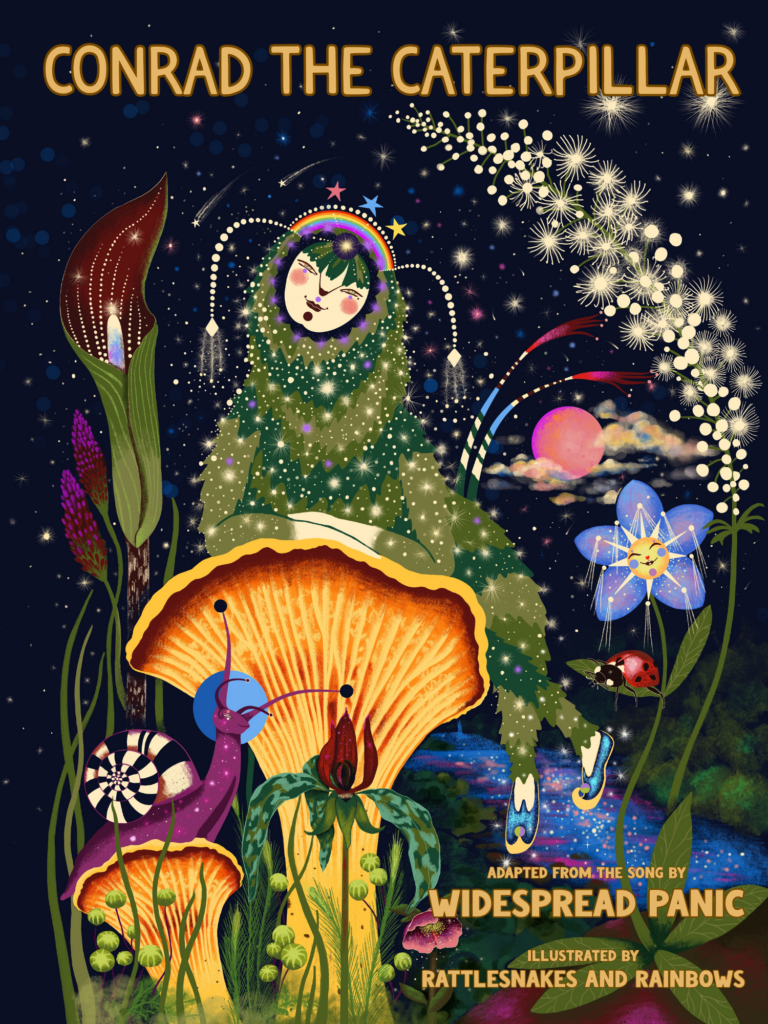
The book should be shipping by late August and we hope to have it available at the Sept 18/19th Widespread Panic shows in Wilmington, NC. You can pre-order the book now.
Sheila Kay Adams Book & Archive Launch
I’ve also come to believe that the best business partnerships rarely begin that way. Over time, creative friendships become creative collaborations and, occasionally, turn into ambitious projects that none of the people involved could have imagined at the beginning. Carrying the Song, our documentary book celebrating the life and work of Sheila Kay Adams, is one of those projects.
Sheila Kay is a 7th generation ballad singer and a national folk legend, icon and treasure. She has been recognized as a National Endowment for the Arts National Heritage Fellow (2013), a North Carolina Arts Council Heritage Award (2016), and, most recently, received the United States Artists Award (2026). Her work is featured in the Smithsonian Folkways Recordings.
For the better part of a year, this project has lived behind the scenes. We’ve collected more than thirty oral history interviews, scanned and organized over five hundred photographs and archival images, gathered written reflections from family, friends, scholars, musicians, and neighbors.
Donna Ray Norton is an eighth-generation ballad singer, leader of the Nest of Singing Birds, Sheila Kay Adams’ artistic successor, and one of Appalachia’s most passionate cultural ambassadors. We’ve benefited from her lifelong relationships throughout the mountain music community and her remarkable ability to put people at ease. Her presence has shaped every stage of the project, alongside Sheila herself (and Sheila’s son Andrew), and that chemistry has helped us create something special.
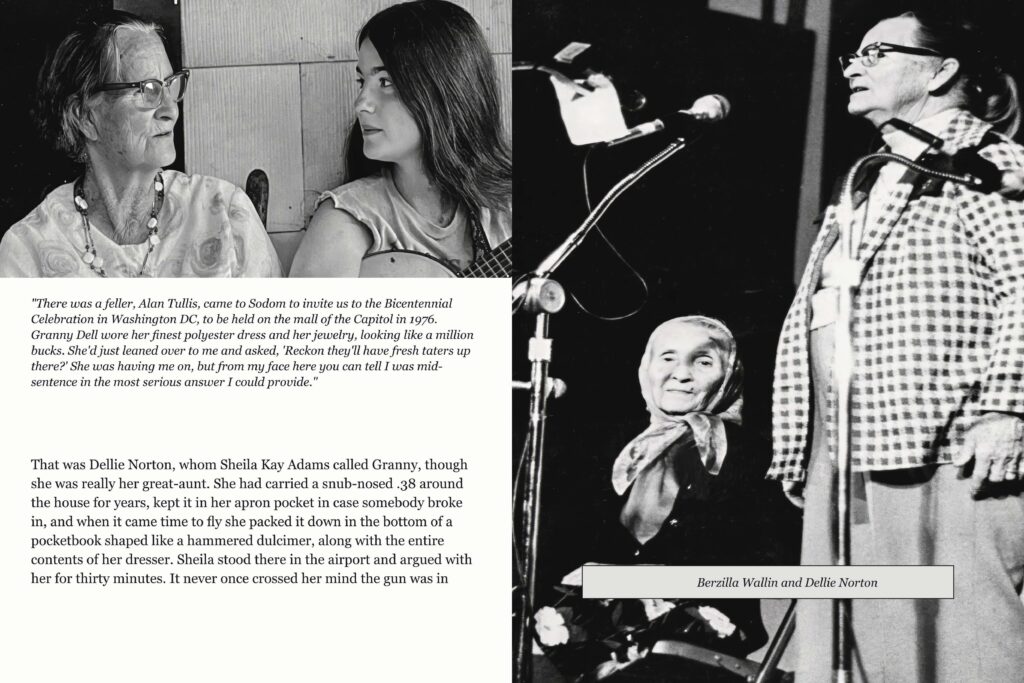
That work will finally step out into the world this fall. We’ll begin with a series of celebrations in Madison County, including a private “Porch Party” at Sheila’s house for project donors and hometown book release events at the Old Marshall Jail Ballad Swap (Marshall, NC) and Plott Hound Books (Burnsville, NC), where friends, family, and the ballad singing community that shaped Sheila’s life and work will gather to celebrate this remarkable milestone.
From there, the book will be featured during the American Folklore Society (AFS) Annual Meeting (including a book event at the storied Malaprop’s Bookstore) before traveling to the Brooklyn Folk Festival, where Sheila, the Nest of Singing Birds, and Sound Archive Books will spend the weekend sharing the project with one of the country’s most vibrant folk music communities.
We will wrap up the year back in Charleston, SC (more on that below) where the Nest of Singing Birds performed at two sold-out shows last year during their Old Marshall Jail Ballad Swap tour for Hurricane Helene relief. It feels like a fitting path for a book that has always been about carrying Appalachian music and memory beyond the mountains while remaining deeply rooted in the community that gave it life.
As an integrated part of the book publishing process we created a companion Sheila Kay Adams micro-archive that will preserve the oral histories, photographs, transcripts, and other research materials that informed the project. Together they preserve both the finished story and the broader conversations that made that story possible. Working alongside institutional preservation partners, those materials will remain open access.
Madison County’s Tourism Development Authority (TDA) deserves tremendous credit for recognizing the opportunity at the intersection of cultural tourism, publishing, and regional music history. By supporting Sheila Kay Adams and the Nest of Singing Birds as cultural ambassadors around this book release, the TDA is helping pioneer a model that extends well beyond traditional destination marketing.
Over the coming months, Carrying the Song will introduce tens of thousands of folk music fans to the music, traditions, landscapes, and communities that shaped Sheila’s remarkable career. What many visitors discover when they arrive is that Madison County isn’t simply preserving a musical heritage—it’s still creating one. Marshall, with a population of fewer than 500 people, is home to an extraordinary community of traditional musicians alongside a growing number of contemporary artists who have chosen to make these mountains home. On any given week, it’s not unusual to find live music in multiple venues, sometimes with two or three shows happening in the same evening.
Sound Archive Sessions
In December this year we’ll gather in Charleston for our first Sound Archive Sessions, a weekend we’ve been imagining for quite some time. In partnership with Hed Hi Media—part arthouse, part listening room—we’ll host small, intimate performances with our first Sound Archive Books artists: Chatham Rabbits, Sheila Kay Adams & Nest of Singing Birds, and Pierce Edens & Kevin Reese (oh yeah, Kevin is also a fantastic guitarist). Sound Archive Books will have a pop-up bookstore featuring the musician’s books just in time for the holidays.
The artists will also spend the weekend meeting fans and sharing their books at independent bookstores, libraries and record stores throughout Charleston, continuing the tradition of gathering in the kinds of places where music, books, and good conversations naturally intersect.
We’re also treating the weekend as the first iteration of something much larger: a repeatable model that connects artists, books, live performances, independent bookstores, libraries and local cultural organizations. If we get it right, it’s a framework we hope to bring to communities across the country as our artist footprint continues to grow.
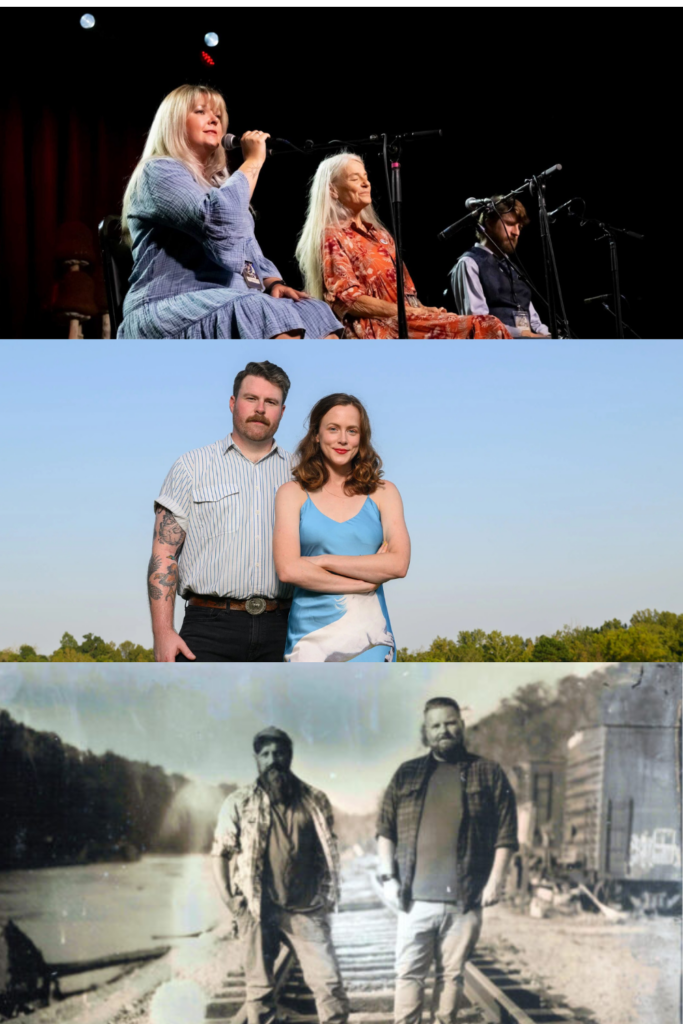
And more than an event, it also feels like our first Sound Archive Books community conclave.
For the first time, many of the artists, collaborators, business builders, and friends who have shaped Sound Archive Books over the last three years will all be together in one place. We’ll celebrate an incredible 2026, share the work that has quietly been taking shape, and raise a glass to what promises to be an exciting and very busy 2027.
When I look back over the last three years, I don’t primarily see books or software or business plans. I see remarkable people finding one another around work that didn’t exist before. Maybe that’s what restraint really makes possible. It gives a business the chance to find its voice before it tries to find its audience.
If that’s the killer feature we’ve managed to build, I think it’s one worth protecting.