Our process
Enhancing tradition with emerging technology
Defining a new documentary book publishing model.
Some stories have been too complex, time-intensive, or expensive to bring to life. At Sound Archive Books, our documentary publishing process combines human authorship, archival research, emerging software, and digital infrastructure to help preserve, organize, and shape expansive cultural narratives with greater depth, efficiency, and care.
How we work
A modern approach
Sound Archive Books transforms oral histories, archives, existing interviews, photographs, and community memory into durable books and structured open-access archives. Alongside traditional authorship, we combine existing source materials with new oral histories to build documentary projects that preserve cultural memory and take far less time and money to produce.

Digital preservation
Physical archives are digitized and structured into open-access formats for long-term research and access.

Sourcing
We integrate existing interviews, photographs, and archival materials with fresh oral histories and strategically developed original written content to create comprehensive narratives.

Contextual research
Using our own software, we transcribe and analyze large amounts of oral history so our authors, editors and book producers can find the patterns and stories they need for the book.

Efficient production
Our workflow transforms complex materials into carefully shaped works that were historically too expensive or time-intensive to produce.
This process is powered by human creativity, editorial leadership, and community collaboration.
Technology does not replace authorship. It helps us organize, attribute, preserve, and shape large bodies of material responsibly. We work directly with the people closest to these stories. That makes the books more authentic, and it gives each project a built-in audience, direct sales, and long-term preservation.
And ultimately, we publish books in a community voice using experienced authors, editors, narrative leaders and the documentary subjects themselves to shape the final manuscript.
Taking our first steps
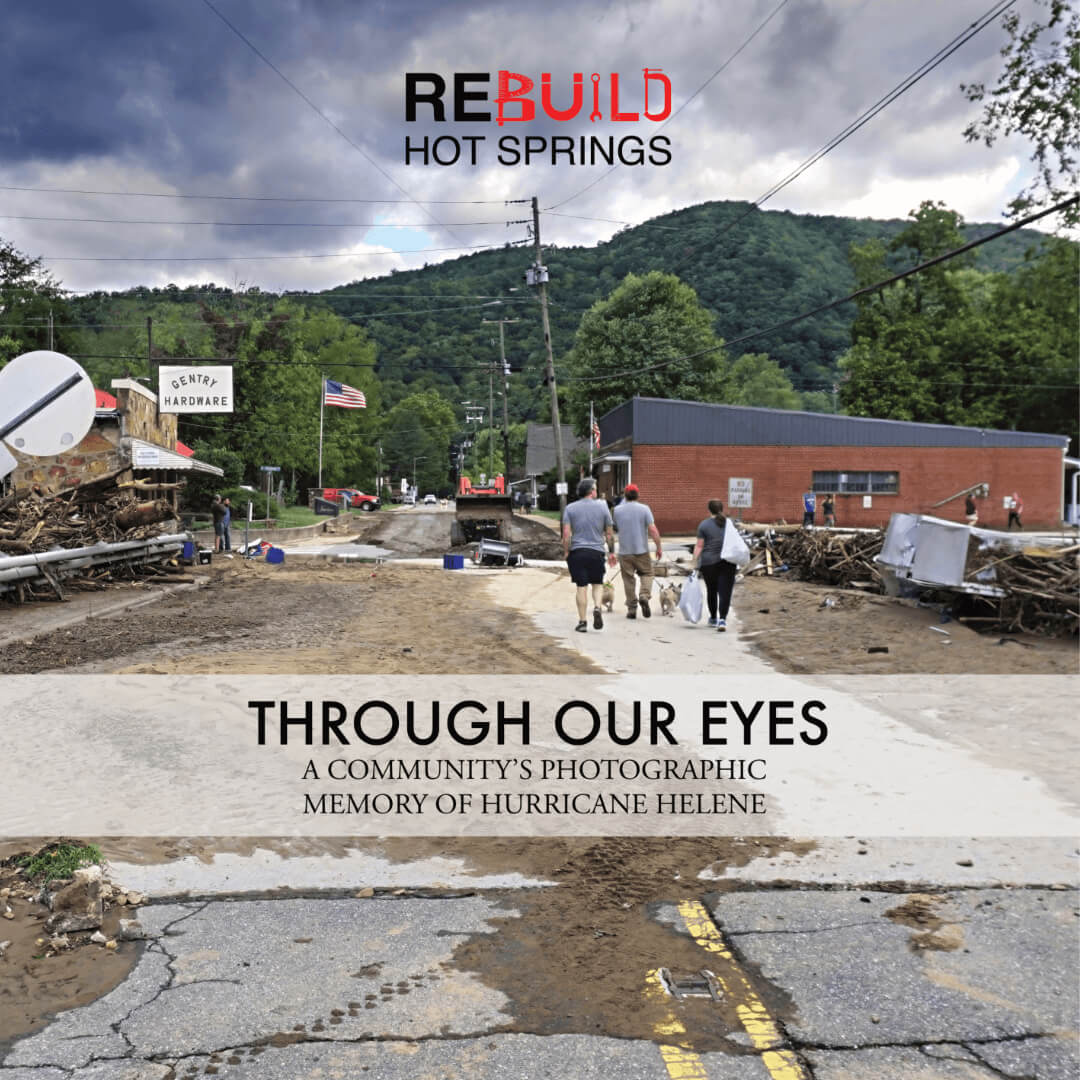
We are among the first book publishers to intentionally capture research-ready source materials as part of the book publishing process. Our pilot project, Through Our Eyes, published in partnership with Rebuild Hot Springs, used this documentary publishing model to preserve oral histories and photographs from 48 residents who lived through the devastation of Hurricane Helene.
The resulting book was nominated for the Weatherford Book Award (presented by Berea College), which recognizes outstanding books on Appalachian culture. We took that as an early sign that community-voiced publishing is worth pursuing. The archive is open access and can be seen here.
The future of books and archives will be different than the past.
Our goal is to meet that future responsibly—by combining entrepreneurial creativity, editorial rigor, community collaboration, and modern infrastructure into something both innovative and deeply human.